Baguette

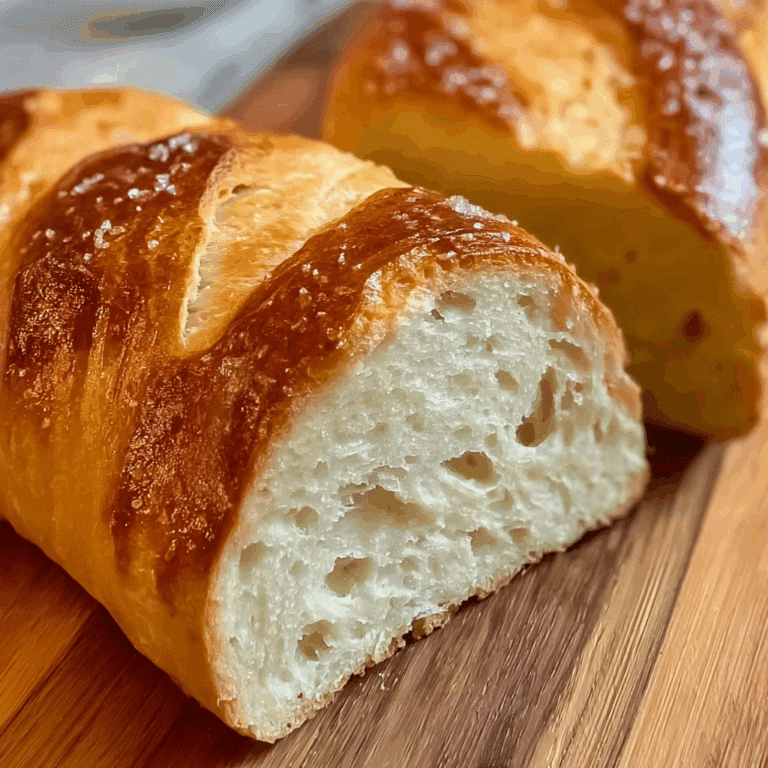
Baking a baguette at home is one of those deeply satisfying experiences that marries simplicity with artistry. With just a few basic ingredients and some patience, you can create a golden, crispy baguette with the chewy crumb we all adore. This guide will walk you through everything you need to know to perfect your own baguette in your kitchen, from mixing to baking, ensuring crunchy crusts and soft, flavorful interiors every time.
Why You’ll Love This Recipe
- Simple Ingredients: Uses pantry staples that are easy to find and combine for incredible results.
- Authentic Texture: Achieves the perfect crunchy crust and airy, chewy crumb typical of French baguettes.
- Step-by-Step Guidance: Easy-to-follow instructions that help both beginners and seasoned bakers.
- Customizable: Offers opportunities to tweak hydration, fermentation time, and shaping techniques to suit your preferences.
- Delicious Fresh Daily: Makes a fantastic breakfast or snack that fills your home with irresistible aroma.
Ingredients You’ll Need
Though baking a baguette might sound intimidating, the ingredients are incredibly straightforward yet vital for the authentic flavor and texture. Each element plays a key role, from creating the rise to developing the crust’s golden hue.
- All-Purpose Flour: Provides the gluten structure necessary for that chewy crumb and good elasticity.
- Water: Hydrates the dough and helps activate the yeast, contributing to fermentation and moisture balance.
- Active Dry Yeast: Fuels the dough rise, producing airy pockets and a light texture.
- Salt: Enhances flavor and tightens the gluten network for dough strength and chewiness.
- Optional: Sugar: A tiny pinch can help speed yeast activation but isn’t necessary for traditional baguette taste.
Variations for Baguette
One of the beauties of mastering the classic baguette recipe is how easy it is to customize based on your taste or dietary needs. Whether you want a heartier loaf or try new flavors, these variations add fun twists without complicating the process.
- Whole Wheat Baguette: Swap half the white flour for whole wheat to add nuttiness and fiber.
- Herbed Baguette: Fold in rosemary, thyme, or garlic powder before shaping for savory herbal notes.
- Gluten-Free Version: Use a gluten-free all-purpose blend and xanthan gum, adapting yeast amount for rise.
- Seeded Crust: Brush dough with water and sprinkle sesame, poppy, or flax seeds for extra crunch and flavor.
- Slow Fermentation: Refrigerate dough overnight to deepen flavor and improve texture.

How to Make Baguette
Step 1: Prepare the Dough
Start by mixing your flour, water, yeast, and salt in a large bowl. Stir until just combined, then knead by hand or with a stand mixer until the dough is smooth and elastic, about 8 to 10 minutes. This develops gluten, the key to baguette’s chewy texture.
Step 2: First Rise
Place the dough in a lightly oiled bowl, cover with a damp cloth or plastic wrap, and let it rise at room temperature until doubled in size. This process usually takes 1 to 2 hours depending on your kitchen’s warmth.
Step 3: Shape the Baguettes
Gently punch down the risen dough to release excess air, then divide it into equal portions, typically two or three. Roll each into a long cylinder about 14 inches long, tapering at the ends for the classic baguette shape.
Step 4: Second Rise
Place shaped dough on a lightly floured surface or baguette pan and cover again. Let it rise for 45 minutes to an hour until puffy but not over-risen.
Step 5: Score the Dough
Using a sharp knife or razor blade, make 3 to 4 diagonal slashes across each baguette’s surface to help control how the bread expands during baking.
Step 6: Bake for Golden Perfection
Preheat your oven to its highest temperature, ideally 475°F (245°C). For that iconic crust, place a pan of water on the oven floor to create steam, then bake the baguettes for 20 to 25 minutes until deep golden and crusty.
Pro Tips for Making Baguette
- Use Bread Flour: For the best gluten development, try bread flour if available.
- Hydration Matters: Higher water content creates a more open crumb but can be trickier to handle.
- Keep Dough Moist: Cover dough tightly during rises to prevent drying out and forming a crust.
- Steam for Crust: Always add steam early in baking to help the crust blister and crackle.
- Practice Scoring: The cuts not only look beautiful but allow the bread to expand without bursting unpredictably.
How to Serve Baguette
Garnishes
Simple additions like a brush of garlic butter or a sprinkle of flaky sea salt right after baking can elevate your baguette’s flavor and presentation. Fresh herbs or a drizzle of olive oil also make lovely garnishes.
Side Dishes
Baguettes pair famously with cheeses, charcuterie boards, fresh dips like hummus or tapenade, and hearty soups or stews. Their crunchy crust and soft interior complement creamy or flavorful accompaniments beautifully.
Creative Ways to Present
Slice baguettes into thick rounds for bruschetta, hollow some out for mini sandwiches, or toast slices for crostini topped with fresh tomatoes and basil. The possibilities are endless for creative serving ideas.
Make Ahead and Storage
Storing Leftovers
Store leftover baguettes wrapped loosely in a paper bag at room temperature for up to two days to keep the crust crisp without trapping moisture.
Freezing
To extend shelf life, you can freeze whole baked baguettes wrapped tightly in plastic wrap and foil. Freeze for up to one month, then thaw at room temperature before reheating.
Reheating
For the best crust revival, preheat your oven to 350°F (175°C) and warm the baguette for 5 to 10 minutes. Sprinkling a little water on the crust before heating helps re-crisp the exterior.
FAQs
Can I use instant yeast instead of active dry yeast?
Yes, instant yeast can be used and even speeds up the fermentation process, but reduce the quantity slightly to avoid over-proofing.
What temperature should the water be when mixing dough?
Use lukewarm water around 100°F (38°C) to activate the yeast without killing it, ensuring proper fermentation.
How do I know when the dough has risen enough?
The dough should double in size and feel light and puffy; pressing with a finger should leave an indentation that slowly springs back.
Why does my baguette crust sometimes come out too hard?
This can happen if baking time is too long or oven temperature is too high, so adjust accordingly and monitor closely towards the end.
Can I make baguettes without a baking stone or specialized pan?
Absolutely! You can bake on an inverted baking sheet or heavy-duty metal tray; just ensure you preheat it well for a burst of heat from below.
Final Thoughts
Once you master this baguette recipe, you’ll realize how rewarding baking your own bread can be. The combination of crunchy crust, tender chew, and a warm kitchen scent creates an experience that’s both comforting and impressive. So grab your ingredients, embrace the process, and enjoy baking every golden, crispy baguette right at home.
Related Posts
Print
Baguette
This authentic French baguette recipe combines simple pantry staples to create a golden, crispy crust with a soft, chewy crumb. Perfect for beginners and seasoned bakers alike, it offers step-by-step instructions and options for customization, resulting in fresh, flavorful baguettes that fill your home with an irresistible aroma.
- Total Time: 2.5 to 3.5 hours (including rising times)
- Yield: 2-3 baguettes 1x
Ingredients
Basic Ingredients
- 3 1/2 cups (440g) all-purpose flour
- 1 1/4 cups (300ml) lukewarm water (about 100°F / 38°C)
- 2 1/4 teaspoons (1 packet) active dry yeast
- 2 teaspoons salt
- Optional: 1/2 teaspoon sugar (to speed yeast activation)
Optional Variations
- For Whole Wheat Baguette: substitute half the all-purpose flour with whole wheat flour
- For Herbed Baguette: add 1 to 2 teaspoons of dried rosemary, thyme, or garlic powder
- For Gluten-Free Version: use gluten-free all-purpose flour blend and 1 teaspoon xanthan gum; adjust yeast amount to 1 1/2 teaspoons
- For Seeded Crust: Brush dough with water and sprinkle sesame, poppy, or flax seeds before second rise
Instructions
- Prepare the Dough: In a large bowl, combine the flour, lukewarm water, active dry yeast, salt, and optional sugar. Stir until just combined, then knead by hand or with a stand mixer for about 8 to 10 minutes until the dough is smooth and elastic, which develops the gluten essential for a chewy texture.
- First Rise: Place the dough in a lightly oiled bowl, cover it with a damp cloth or plastic wrap, and let it rise at room temperature until it doubles in size, approximately 1 to 2 hours depending on room temperature.
- Shape the Baguettes: Gently punch down the risen dough to release excess air. Divide the dough into two or three equal portions. Roll each portion into a long cylinder about 14 inches long, tapering at the ends to form the classic baguette shape.
- Second Rise: Place the shaped baguettes on a lightly floured surface or baguette pan. Cover them again and let rise for 45 minutes to 1 hour until the dough is puffy but not over risen.
- Score the Dough: Using a sharp knife or razor blade, make 3 to 4 diagonal slashes across each baguette’s surface. This controls the expansion of the bread during baking and creates the iconic look.
- Bake for Golden Perfection: Preheat your oven to 475°F (245°C). Place a pan of water on the oven floor to create steam, which promotes a blistered and crackly crust. Bake the baguettes for 20 to 25 minutes until deep golden brown and crusty.
Notes
- Use bread flour instead of all-purpose for better gluten development if available.
- Higher hydration (more water) produces a more open crumb, but dough may be harder to handle.
- Keep dough covered tightly during rising stages to prevent drying out and forming a skin.
- Adding steam early during baking helps form the traditional crust texture.
- Practice scoring to improve appearance and control bread expansion.
- If using instant yeast, reduce the amount slightly and expect a faster fermentation.
- Lukewarm water (around 100°F / 38°C) is ideal to activate yeast without killing it.
- To revive crust crispness when reheating, sprinkle a little water on the baguette before warming in a 350°F (175°C) oven for 5-10 minutes.
- Prep Time: 15 minutes
- Cook Time: 20-25 minutes
- Category: Appetizers
- Method: Baking
- Cuisine: French
- Diet: Vegetarian
Nutrition
- Serving Size: 1 baguette (approx. 150g)
- Calories: 400
- Sugar: 1g
- Sodium: 400mg
- Fat: 1g
- Saturated Fat: 0g
- Unsaturated Fat: 1g
- Trans Fat: 0g
- Carbohydrates: 85g
- Fiber: 3g
- Protein: 12g
- Cholesterol: 0mg
Keywords: baguette, French bread, homemade bread, crusty bread, chewy crumb, baking, artisan bread